aliceblue-squirrel-714487.hostingersite.com

ATHLETE FITNESS AND MOVEMENT ASSESSMENT
ASSESS. TRAIN. PERFORM.
Fitness Movement Assessment in Calgary
Our Fitness & Movement Assessment at SMART Performance is designed specifically for athletes who want to move better, perform at a higher level, and build the physical foundation needed for long-term athletic development.
Whether you are a developing youth athlete building foundational movement skills or a competitive athlete preparing for your next season, our structured assessment process provides objective data to better understand how your body moves, performs, and responds to the demands of your sport.
Using advanced performance technology, movement screening, cardiovascular testing, and strength assessments, we identify key strengths, limitations, imbalances, and opportunities for development. We don’t rely on guesswork or one-size-fits-all programming. Every athlete is assessed individually, creating a clear performance profile that helps guide training based on their current abilities, sport demands, and goals.
At SMART, better performance starts with understanding the athlete first.
Assessment and Training Phases
Your session includes
VALD Performance Testing
Intake and Baseline Testing
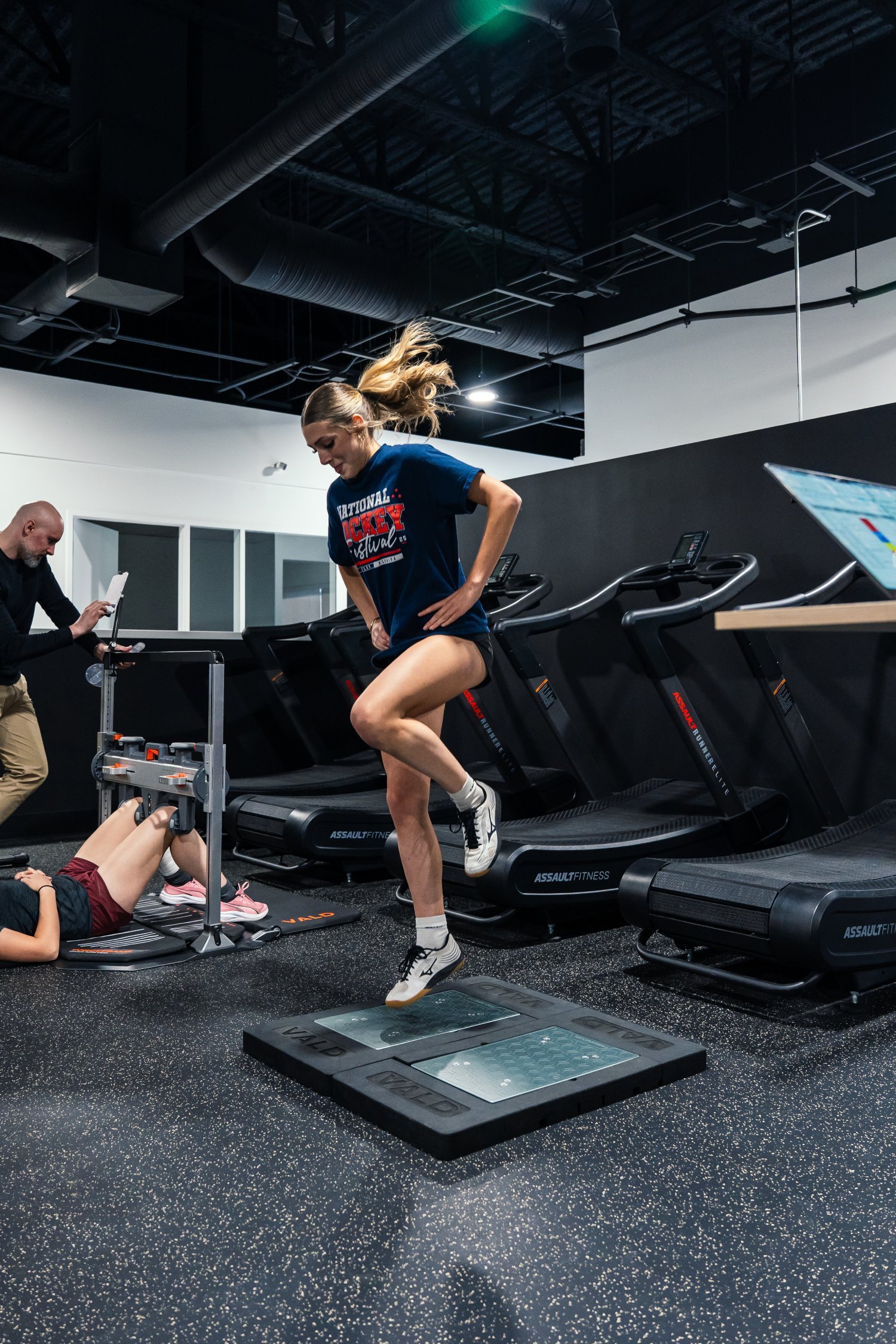
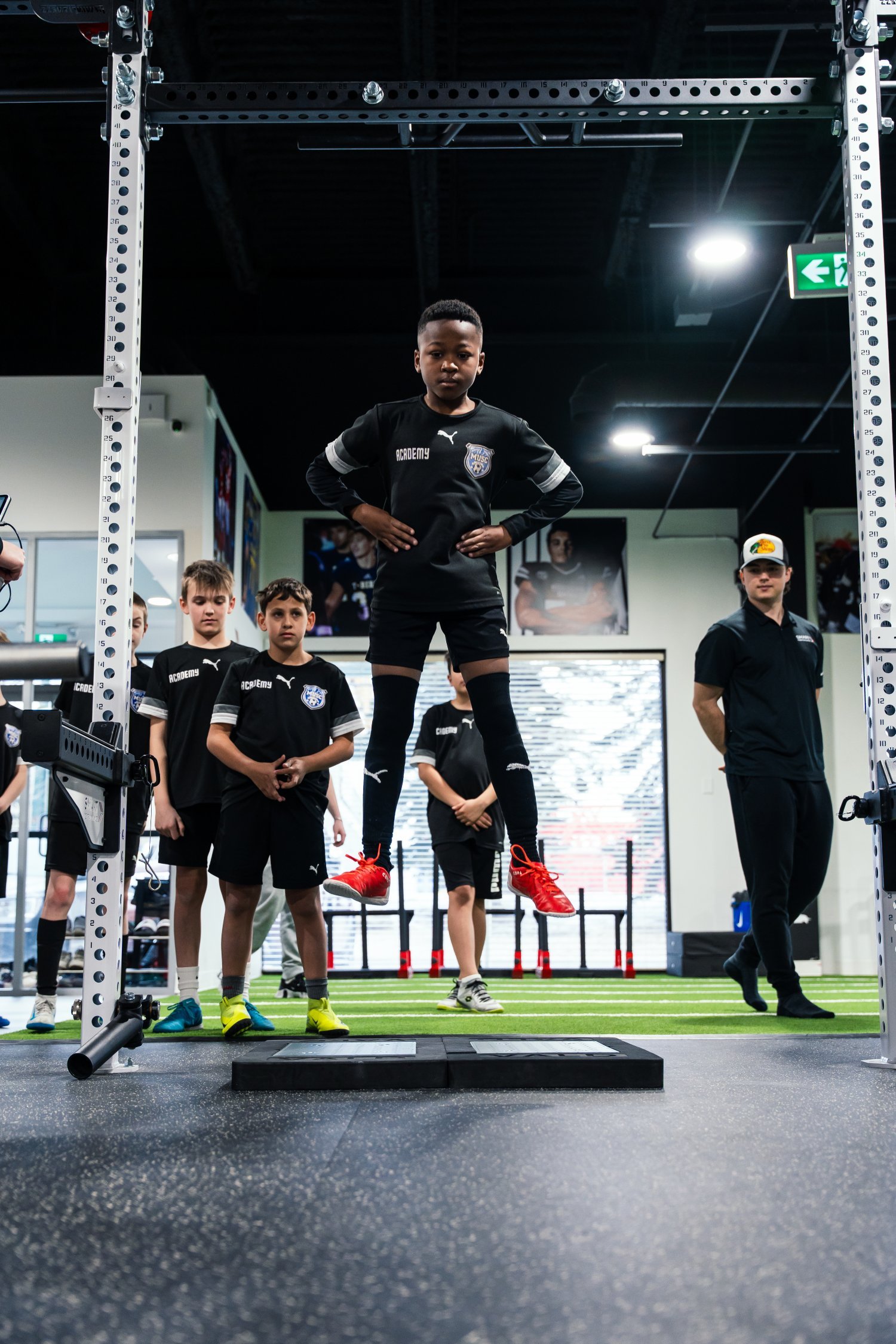
Using advanced VALD performance technology, we collect objective data on force production, balance, movement strategies, asymmetries, and overall physical performance. These assessments help identify strengths, limitations, and potential areas of increased injury risk while providing measurable benchmarks to track progress over time.
Functional Movement Screen (FMS)
Detailed Movement and Mobility Analysis
The Functional Movement Screen evaluates fundamental movement patterns, mobility, stability, coordination, and movement efficiency. This screening helps identify compensations, restrictions, and movement limitations that may impact performance, increase injury risk, or reduce overall movement quality.
Cardiovascular Capacity Testing
Speed, Power, and Strength Testing
Our cardiovascular capacity assessment evaluates your aerobic fitness, conditioning levels, and overall work capacity. This helps us better understand how efficiently your body performs during physical activity and provides insight into endurance, recovery ability, and overall fitness levels.
Strength Assessment
Results Review and Program Delivery
Our strength assessment measures overall force production, muscular strength, and physical capacity through structured testing protocols. This evaluation helps identify imbalances, establish performance baselines, and guide individualized programming to improve strength, resilience, and long-term performance.
DATA-DRIVEN TRAINING
Why a Fitness Movement Assessment Matters
Get Started
Evidence-Informed. Athlete-Centred.
At SMART, we do not just put people through a checklist and call it an assessment. Every fitness movement assessment we conduct is grounded in evidence-informed principles, built around movement quality screening, objective performance testing, and athlete monitoring. Before any client starts a program, we gather a thorough picture of how they move, where they are strong, and where they carry risk. This allows us to build a training plan that is both effective and safe.Our coaching staff blends athletic performance expertise with clinical knowledge from our on-site clinic. That means we understand how the body moves, how it breaks down, and how to keep you training consistently. We track loads, monitor recovery, and adjust programming based on real data. Explore our 1-on-1 performance coaching and our football training programs to see how assessment feeds directly into action.
Phase-based programming
Assess before you train
Load Monitoring
Built into every program
YOUR ROADMAP STARTS HERE
NEXT STEPS AFTER YOUR FITNESS ASSESSMENT. Move Without Limitation.
Poor movement and undetected imbalances are two of the biggest barriers to reaching your potential, whether you are a competitive athlete or an active individual. At SMART, our fitness movement assessment is not an afterthought, it is the foundation of everything we do. Our clinical team works directly alongside our performance coaches to identify movement compensations and muscular imbalances before they become injuries. Common issues we help clients address through assessment and programming include knee and hip instability, shoulder and rotator cuff limitations, ankle mobility restrictions, lower back dysfunction, and general movement inefficiency. Whether you are coming back from a setback or simply want to train smarter from the start, our integrated performance and clinical model means you have the right professionals supporting you. Book your fitness movement assessment today and take the first step toward training with real direction.
Learn more about our assessments
FAQ FOR ASSESSMENTS
Your fitness movement assessment starts the path to smarter, safer, and more effective training.
What is a Fitness and Movement Assessment?
A Fitness and Movement Assessment is a structured evaluation of how your body moves, performs, and compensates during physical activity. It identifies strength imbalances, mobility limitations, and movement patterns that may be limiting your performance or increasing your injury risk.
Who should get a Fitness Movement Assessment?
Anyone starting a new training program, returning from injury, or experiencing recurring pain or plateaus in performance can benefit from an assessment. It is also highly recommended for athletes preparing for a competitive season or individuals who want a clear baseline before setting fitness goals.
How long does the assessment take?
Most Fitness Movement Assessments are completed within 60 to 90 minutes depending on the depth of evaluation requested. You will receive a full review of findings and a personalized recommendation summary before you leave.
What should I wear or bring to my assessment?
Wear comfortable athletic clothing that allows a full range of motion, such as shorts and a fitted shirt. Bring any orthotics, braces, or supportive footwear you typically use during exercise so the assessment reflects your real training conditions.
Will the assessment tell me exactly what exercises I should do?
Yes, the assessment concludes with specific corrective exercise recommendations and movement priorities tailored to your results. You will leave with a clear understanding of where to focus your training and which patterns to address first.
How much does a Fitness Movement Assessment cost?
Pricing varies based on the scope of the assessment and whether it is a standalone session or part of a broader training package. Contact our team directly for current pricing and to find out which assessment tier is the right fit for your goals.
Is this assessment the same as a physical therapy evaluation?
A Fitness Movement Assessment focuses on performance, mobility, and functional movement quality rather than diagnosing or treating medical conditions. If a clinical concern is identified during the session, you will be referred to an appropriate healthcare provider for further evaluation.
How often should I have my movement reassessed?
Most clients benefit from a reassessment every 8 to 16 weeks, especially when actively working on corrective goals or progressing through a structured training plan. Regular reassessment tracks improvement and ensures your program evolves with your capabilities.
Can the assessment detect injury risk before symptoms appear?
Yes, one of the primary purposes of a Fitness Movement Assessment is to identify compensations and asymmetries that commonly precede overuse injuries. Addressing these findings proactively can significantly reduce the likelihood of injury during training or competition.
Do I need to be an athlete to benefit from a movement assessment?
No, a Fitness Movement Assessment is valuable for anyone who wants to move better, exercise more safely, or understand their physical baseline. Whether you are a recreational gym-goer, a weekend hiker, or someone returning to activity after a long break, the assessment provides actionable insight.